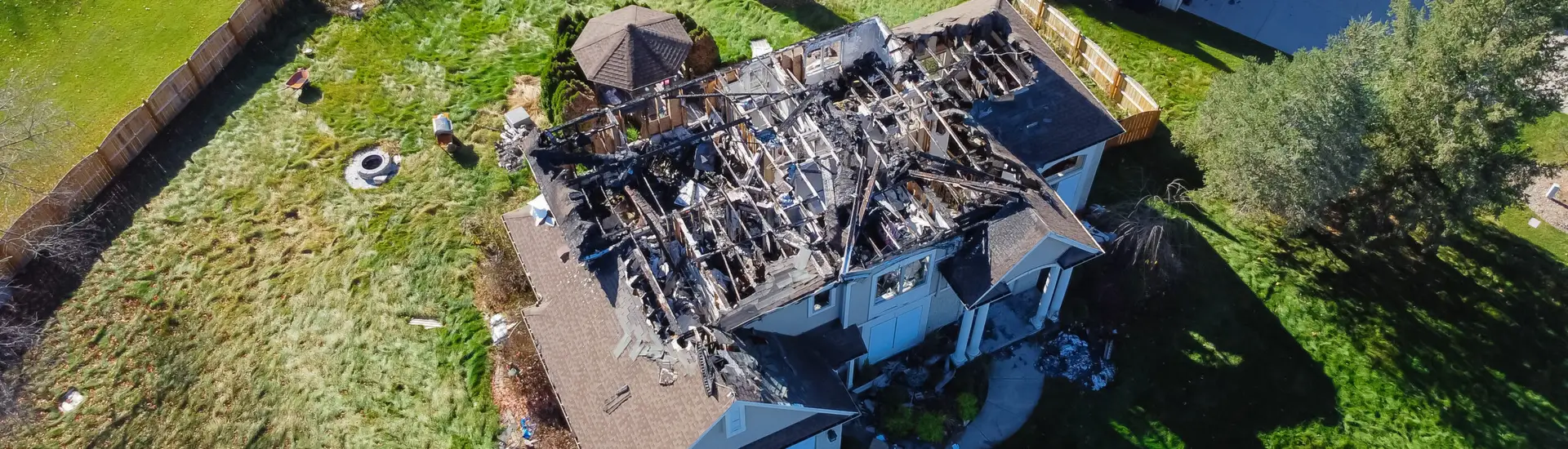
Featured image: An existing image from RGR's fire-restoration library shows an exposed roof structure after a fire. General example, not a record of a Southport incident.
After a fire, a property owner may be hearing from several people at once: emergency responders, an insurance representative, a cleanup company, and a contractor. Each conversation can be useful, but they do not all answer the same question. Once immediate safety needs are addressed, the construction question is how to turn the damaged property into a defined, coordinated rebuild.
For a Southport home, an Oak Island rental, or a property managed from out of town, start with a short decision record. It should identify who can authorize work, what is known about the building, and which questions need an answer before reconstruction proceeds.
1. Establish the Access and Utility Instructions First
The U.S. Fire Administration’s After the Fire guide says to wait for the fire department to say the damaged home is safe to enter. It also warns against turning disconnected utilities back on yourself. Walls and floors can be less secure than they appear.
Put the instructions you receive in the project file and share them with anyone arranging access. Record who gave them, when, and whether particular areas remain restricted. A contractor visit should follow those instructions. Permission for a limited visit should never be treated as a decision that the property is ready for normal occupancy; ask the responsible officials what further clearance is needed.
2. Identify Who Makes Each Decision
Choose one owner contact to keep the construction discussion organized. For a rental, distinguish the property owner’s approval role from the manager’s access role and the tenant’s need for updates. If an owner is away from Brunswick County, agree on how photos, estimates, and decisions will reach them.
Keep a contact list for the contractor, insurer or adjuster, cleanup provider, and any design professional involved. Ask each person what they are responsible for and what information they need from the others. The Fire Administration recommends contacting your insurer promptly and saving fire-related receipts. Ask your insurer about its documentation requirements before assuming a construction decision also resolves a coverage question.
3. Separate the Work into Understandable Parts
A proposal that simply says “restore the house” leaves too much to interpretation. Ask for the planned work to be organized into parts you can discuss individually:
- Temporary protection: the openings or exposed areas that need protection while the permanent work is defined.
- Assessment and removal: the evaluations and authorized removal needed to understand the repair.
- Structural and exterior work: framing, roofing, and exterior assemblies included in the rebuild.
- Interior reconstruction: the affected rooms, building systems, and finishes covered by the proposal.
RGR’s Southport fire-restoration service addresses this coordination across protection, structural review, and construction. Discuss what belongs in the contractor’s scope and what requires a separate specialist. Do not assume that personal belongings, smoke cleaning, utility work, and reconstruction are all included in one agreement.
4. Agree on a Process for Newly Exposed Conditions
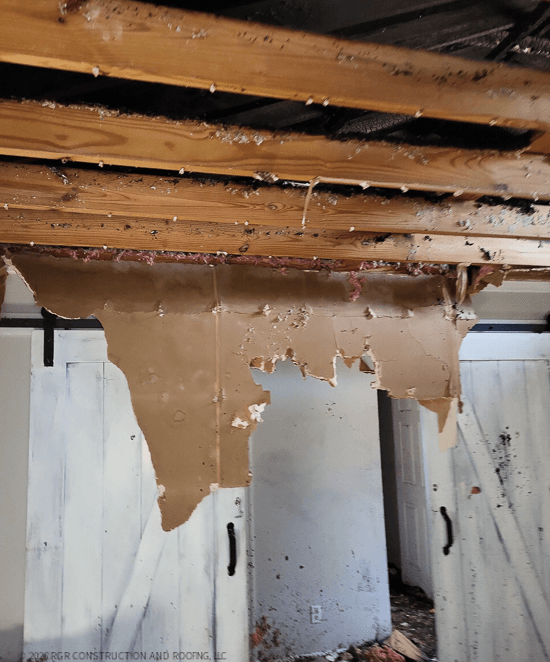
Before removal begins, ask which areas have been inspected and which remain inaccessible. Your written scope should distinguish confirmed work from assumptions that require further review. An initial photo set is useful context, but it should not be presented as proof that every concealed component has been evaluated.
Agree on how a new finding will be documented and who will decide the next step. A practical record identifies the room or assembly, includes a clear explanation, and separates the proposed repair from any optional improvement. If the change affects cost or timing, ask for those effects in writing before authorizing the additional work. Keep that decision with the original proposal so later conversations refer to the same scope.
5. Discuss Milestones Before Promising a Return Date
Ask the contractor to describe the major milestones and what must happen before each one can proceed. Which evaluations are still outstanding? Who will confirm applicable permit and inspection requirements? Which materials or owner selections need to be settled? What must be completed before an opened wall or ceiling is closed?
Keep temporary protection in that discussion, especially where the roof or exterior has been opened. Ask who will check and maintain it while the permanent repair is underway. A schedule should also explain how interruptions and changes will be communicated. For a managed property, share the current confirmed milestones with the owner and occupants, and identify estimates as estimates instead of treating a hoped-for completion date as a commitment.
6. Plan the Handoff as Carefully as the Start
Decide early what you want in the completion file: the final scope, approved changes, relevant inspection records, product and warranty information, and available progress photographs. Ask who will explain the completed work and any remaining items. Keep construction records separate from personal-property inventories so each is easy to find later.
If a manager will take over after the work, include them in the final walkthrough. Identify any maintenance instructions and the contact for a follow-up concern. Confirm the required approvals for returning to the property with the appropriate professionals and authorities; a finished-looking room alone does not answer that question.
7. Bring a Clear Starting Point to the Rebuild Conversation
You do not need to diagnose fire damage before requesting help. Bring the property address, access instructions, available reports, and a description of the work already completed. Explain whether the property is a primary residence, second home, or rental, and identify the person who can authorize construction decisions.
RGR helps owners in Southport, Oak Island, St. James, and coastal Brunswick County organize fire restoration and related construction work. Once emergency response and access restrictions have been addressed, contact the Southport team or call 910.604.6560 to discuss a rebuild review. A useful first conversation ends with a defined next step and a clear list of the information still needed.